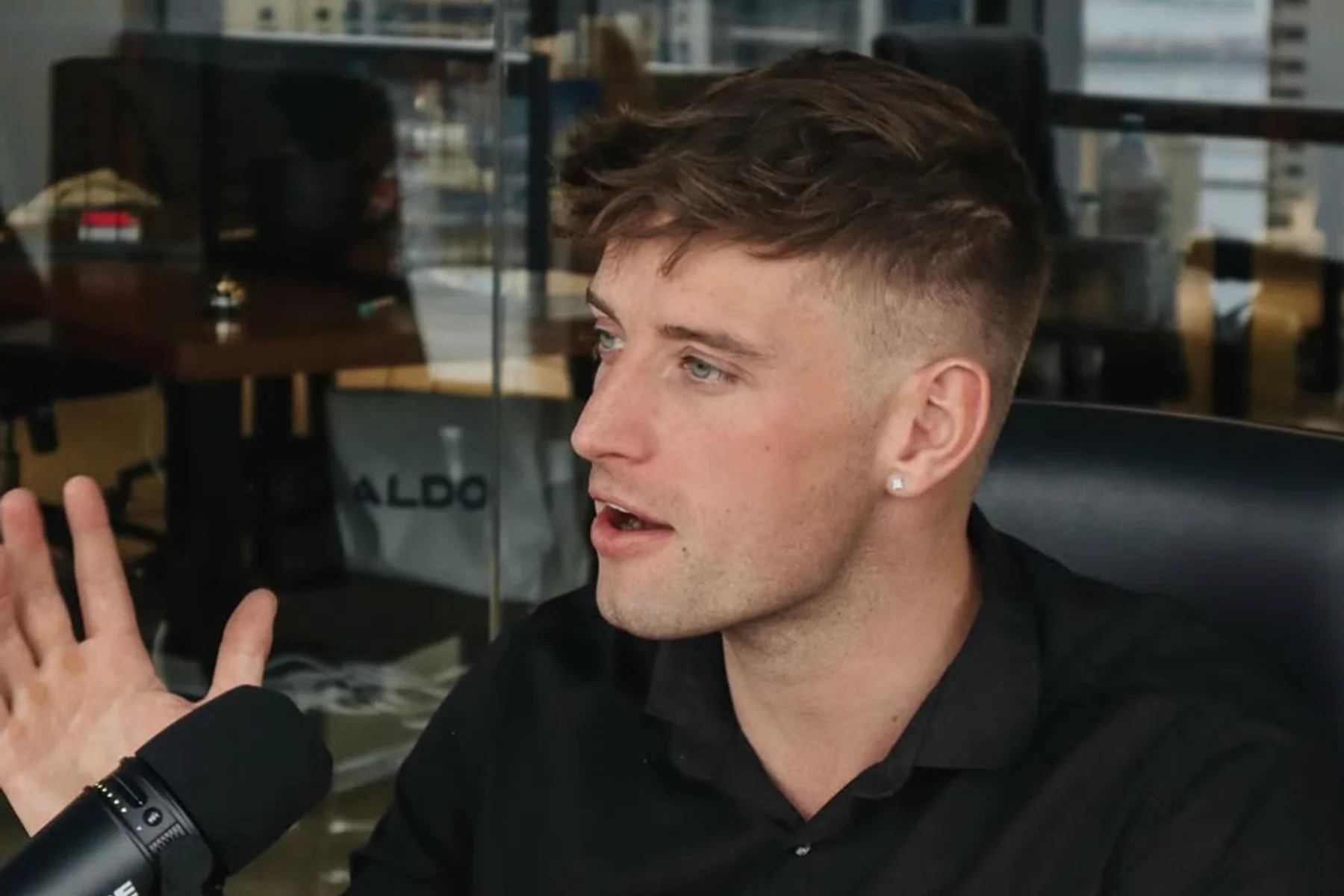
When Michael Coyle moved to Dubai, he noticed something strange.
The city had world-class restaurants, beach clubs, nightlife and experiences, but discovering where people were actually going remained surprisingly difficult. Social media could show where someone had been yesterday. It was less useful for understanding where friends, communities and likeminded people were heading tonight.
That observation became the starting point for Portl, a Dubai-built social platform aiming to make real-world discovery more immediate. It is part founder story, part hospitality technology story and part reflection of a wider shift in Dubai's startup ecosystem: consumer companies are increasingly being built around how people live, move and socialise in the city.
From Galway to Dubai
Originally from Galway, Ireland, Coyle founded Portl with a simple premise: going out should be easier to understand before the decision is made.
Rather than trying to replace Instagram, WhatsApp or restaurant booking platforms, the product focuses on the moments before a night out. Users can discover venues and experiences, see where people are going, join guest lists and connect before arriving.

That distinction matters in Dubai, where the choice is rarely whether there is something to do. The question is which place has the right atmosphere, crowd, timing and access for a specific night. The city rewards platforms that reduce friction because the pace of new openings, events and venue programming can be difficult to track even for residents.
Today, Portl has grown to more than 120,000 downloads and has facilitated over 160,000 venue bookings, according to the company. It has also partnered with hospitality brands across the city, giving the platform a presence in the venue economy rather than operating only as a consumer-facing app.
Why Dubai?
Coyle believes Dubai offers something few cities can: a dense, international market where consumer behaviour can be tested quickly.
"You can launch globally from here," he says.
That confidence is not unusual among founders building in the emirate. Dubai has one of the world's fastest-growing populations, a hospitality sector built for constant renewal and consumers who are generally comfortable adopting new technology. For startups, that combination creates a useful proving ground. A product that works across Dubai's mix of residents, tourists, professionals and creators may have a stronger chance of travelling to other international cities.
The city has already produced or scaled major consumer technology stories across transport, property, food, payments and marketplaces. The next opportunity may be in social discovery: helping people decide where to spend time, not simply how to transact once they have already made the decision.
That is why Portl sits naturally alongside the wider conversation around Dubai startups and the consumer apps emerging from the region.
Beyond Events
Portl is often described as an events app. Coyle sees that as too narrow.
"We're not trying to become another events platform," he says. "The opportunity is owning the demand layer for social experiences."
In practical terms, that means focusing less on static listings and more on intent. A user may be looking for a dinner spot, a beach club, a networking event, a fitness class, a pop-up experience or a place to meet new people. The common thread is not the venue category. It is the decision to leave the house and join a real-world social setting.
Dubai is especially suited to that kind of product because hospitality and lifestyle overlap so closely. Restaurants operate like social venues. Beach clubs function as day-to-night destinations. Business events often become relationship-building moments. For many residents, Dubai social life is built around locations as much as circles of friends.
The challenge for any platform in this category is density. Social discovery products only become useful when there is enough live activity, reliable venue information and a reason to return. Downloads can create early momentum, but repeat behaviour determines whether the product becomes part of a weekly habit.
The Hospitality Layer
The more interesting part of Portl's strategy may be its relationship with venues. Dubai's hospitality market is sophisticated, competitive and expensive to operate in. Restaurants, clubs and beach venues are not only competing for attention. They are competing for the right audience at the right time.
For operators, discovery platforms can help translate digital intent into measurable footfall. For consumers, they can make the city feel easier to navigate. That two-sided dynamic is why hospitality tech has become a serious Dubai startup category rather than a niche.
The strongest products in this space will not simply list what is open. They will understand why someone chooses one experience over another, what makes a venue relevant on a given night and how social context influences the decision.
That is the layer Portl is trying to build.
International Expansion
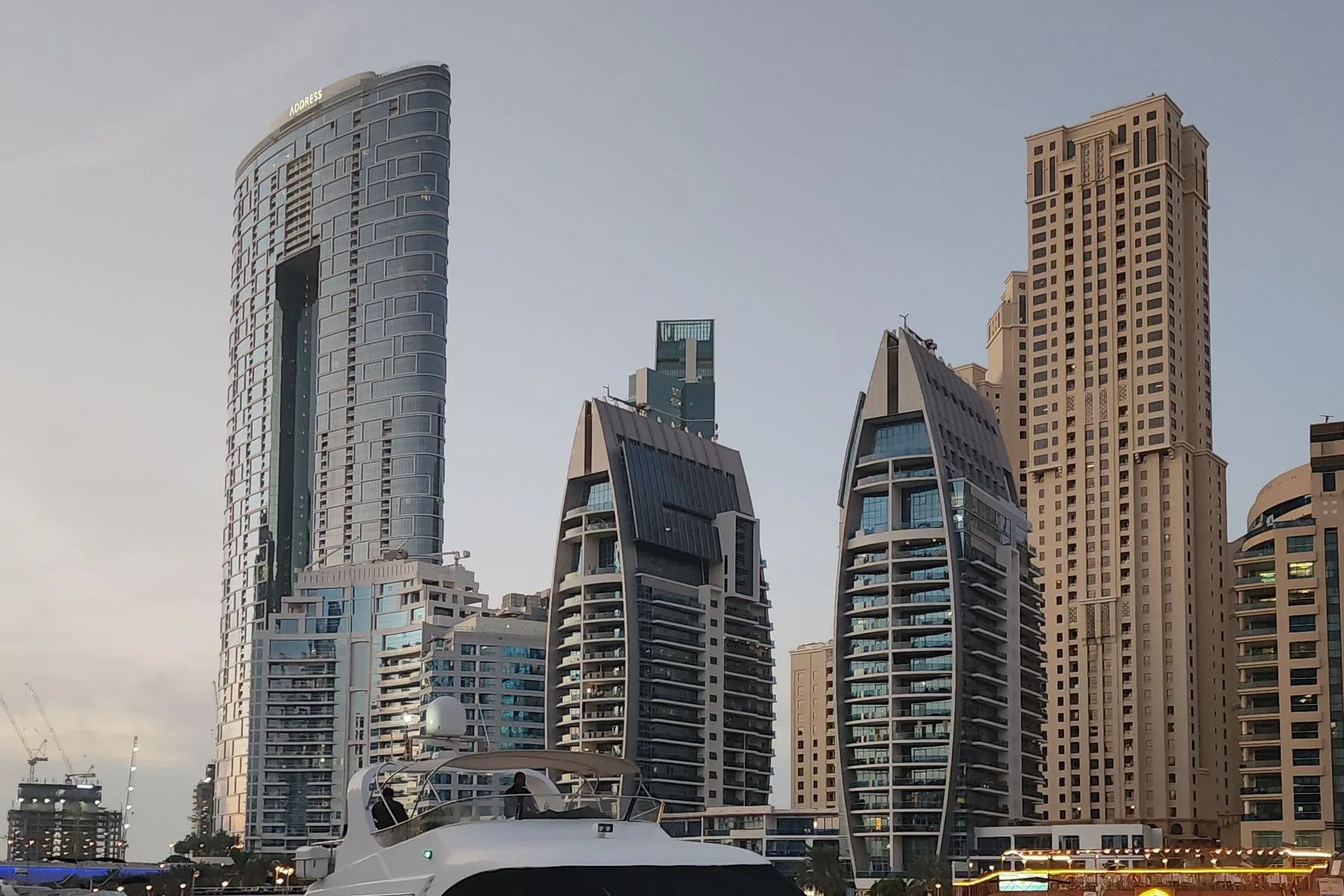
After establishing itself in Dubai, Portl is preparing to expand into Marbella, London, Manchester and Barcelona.
The choice of markets is revealing. Each city has a strong going-out culture, a high concentration of hospitality venues and a large audience that makes decisions based on social context. Marbella brings beach clubs and seasonal nightlife. London and Manchester offer dense urban scenes. Barcelona has international appeal, tourism and a strong restaurant and events market.
The harder task is not adding cities to a map. It is recreating the social graph that makes a discovery platform feel alive. Venue inventory alone is not enough. Users need to see signals that matter: where people are going, what is happening now and whether an experience fits the night they want.
For a Dubai-born platform, expansion will test whether the habits observed in the UAE can travel to other lifestyle-led cities.
What This Says About Dubai's Startup Ecosystem
Portl's growth also reflects a broader change in Dubai's technology scene.
The city's startup narrative is no longer limited to fintech, property technology or logistics. Consumer products are increasingly being built around everyday behaviour: how people pay, book, move, eat, meet, discover and spend leisure time.
That matters because consumer apps require more than technical execution. They need taste, timing, trust and cultural understanding. A product can be functional and still fail if it does not understand the emotional reason people use it.
In Dubai, those reasons are often tied to aspiration, convenience and social momentum. Residents want to make better choices in a city full of options. Visitors want confidence quickly. Venues want to reach people before plans are fixed. Founders who understand that triangle have a real opportunity.
What's Next?
Dubai continues to evolve as one of the world's most competitive startup ecosystems. For founders building consumer technology, standing out has never been more difficult, but the opportunity has arguably never been greater.
Platforms that connect people to experiences, rather than simply places, may become a more important part of everyday life as the city grows. The winners will be those that can become genuinely useful without becoming noisy, commercial or transactional too quickly.
For Coyle and Portl, the next phase will be about proving that a product shaped by Dubai's hospitality culture can work across multiple international markets. More about the platform is available on Portl's website.
The journey is still early. But as Dubai produces more founders building for global consumer behaviour, stories like this are likely to become less unusual.